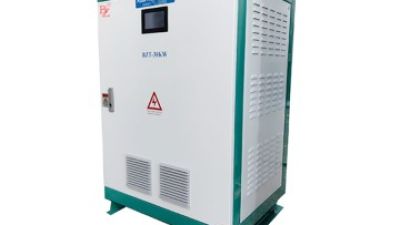
Choosing the right Static Frequency Converter isn’t just a technical detail – it’s pretty much a game-changer for a lot of industries. When you get it right, managing power becomes a whole lot easier and can really boost how smoothly things run. Dr. William Hart from PowerTech Solutions puts it nicely: "The right Static Frequency Converter can totally change the way you consume energy."
Now, I won’t sugarcoat it – picking the perfect converter can be tricky. There are so many options out there, and not all of them are a good fit. A smart choice can really help keep your systems stable and even extend the lifespan of your equipment. But here’s the thing – too many folks overlook their actual needs when it comes to application specifics. You’ve gotta seriously evaluate your energy needs before jumping in.
If you mess up this part, it can cost you big time – more expenses, longer downtimes, the whole nine yards. People often find themselves stuck with specs that don’t quite match, which makes everything more complicated. Doing your homework and chatting with experts can make a huge difference. In the end, spending a bit of time figuring out the right converter pays off big time, leading to more efficient power delivery and fewer headaches down the line.
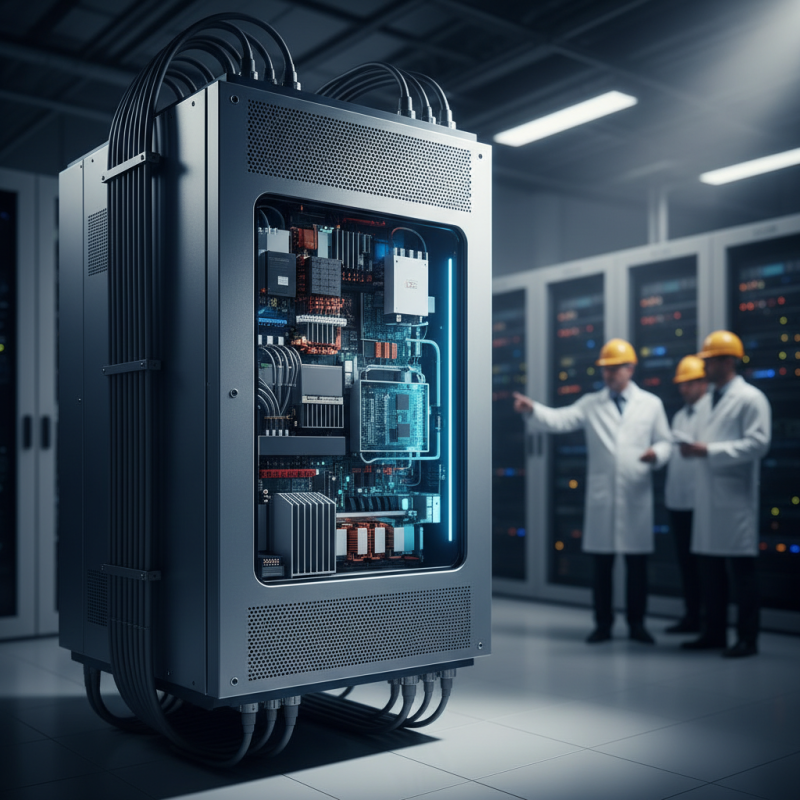
Static frequency converters (SFCs) play a critical role in energy management. They convert the fixed frequency of power supply into the desired frequency, enabling various equipment to operate efficiently. A recent report by the International Energy Agency indicates that the market for frequency converters is expected to reach $8.5 billion by 2025. This highlights the growing importance of SFCs in diverse sectors, such as manufacturing and renewable energy.
Understanding the underlying principles is essential for effective application. SFCs utilize power electronics and control systems. They ensure stable frequency output, which is vital for sensitive equipment. Reports show that maintaining a consistent frequency can prolong the lifespan of machinery by up to 30%. However, the complexity of some SFCs can lead to operational challenges. Users might find it difficult to troubleshoot issues without technical guidance.
Another aspect worth noting is the advent of advanced technologies. The integration of options like the Touchscreen Digital Variable Frequency Ultra-Low Frequency Generator has enhanced user experience. These devices offer better control and monitoring capabilities. Still, some operators may struggle with adapting to the latest features. This gap in understanding can lead to inefficient use of these advanced technologies.
This chart depicts the efficiency percentage of various static frequency converters. It allows users to quickly compare the performance of different models to make informed decisions based on their power needs.
Static frequency converters play a vital role in various applications. They help in transforming electrical frequencies, ensuring that machines operate efficiently. There are different types of static frequency converters, each with its unique functions and applications.
One common type is the voltage-source converter. It adjusts the frequency of the power supply. This converter is widely used in renewable energy systems, such as wind turbines. Another type is the current-source converter. It is typically employed in large industrial settings, enabling heavy machinery to function smoothly.
Tips: When selecting a static frequency converter, consider the power requirements of your specific application. It's crucial to match the converter's capabilities to your machinery. Also, evaluate the environmental conditions of your location. Some converters perform better in certain climates.
Different applications may require distinct converters. This diversity can lead to complexities in choice. Sometimes, people overlook essential specifications, which can result in underperformance or damage. Be cautious and ensure proper research before making a decision. Understanding your needs is vital. The right Power Frequency Converter can lead to improved efficiency and longevity of your equipment.
When selecting a Static Frequency Converter, consider the power requirements of your equipment. Voltage range and output capacity are crucial. You need a converter that matches your specific needs. Mismatched specifications can lead to inefficiencies or damage.
Look for a converter with robust protection features. Overload, over-temperature, and short-circuit protections are essential. These features safeguard both the converter and connected devices. Reliability is key; a failure can halt operations. In this case, downtime translates to lost revenue.
Tips: Always verify compatibility before purchasing. Check the input and output frequency requirements. Small discrepancies can create operational issues. Test the converter in a controlled environment if possible. This will help identify any unexpected behaviors. Remember, even high-quality options may have slight flaws or quirks that require adjustment. Make adjustments accordingly for optimal performance with your Static Frequency Converter.
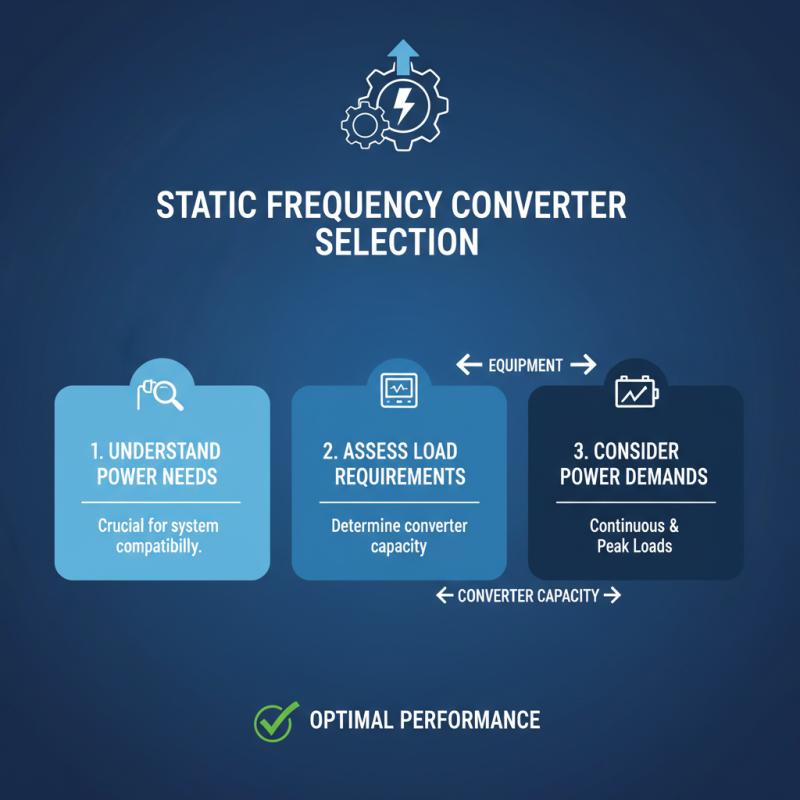
When selecting a static frequency converter, understanding your power needs is crucial. Assessing the load requirements of your system will help determine the capacity of the converter. This involves looking at both the continuous and peak power demands your equipment requires.
Consider the voltage and frequency specifications of your current equipment. These factors will guide you in sizing the converter appropriately. It’s often easy to underestimate these needs, which can lead to inefficiencies. If your converter is undersized, it may not support your operations during peak times. This could lead to outages and damage to your equipment.
Once you have gathered this data, it’s essential to analyze it closely. A common mistake is to choose a converter that meets only the bare minimum. This could result in performance issues down the line. Ensure your system is equipped to handle future expansions as well. Your calculations should account for potential increases in load. Don't overlook any details; even small discrepancies can lead to costly mistakes later.
Static frequency converters (SFCs) are vital in various applications. They ensure a stable power supply and improve efficiency. The market has grown significantly. According to industry reports, the SFC market is projected to reach $1.2 billion by 2025. This growth highlights their importance across sectors like energy, manufacturing, and telecommunications.
Top brands of SFCs often focus on efficiency and reliability. Some models stand out due to their compact design and advanced technology. These converters can handle voltage variations and frequency changes seamlessly. Research indicates that SFCs can improve energy efficiency by up to 30%. Users must, however, evaluate their specific needs. Choosing the right model is not always straightforward. Many factors come into play, such as load capacity and input requirements.
Despite their advantages, SFCs may present challenges. Installation can be complex and requires skilled technicians. Maintenance needs can also be a concern. Regular checks are crucial to ensure optimal performance. Users sometimes overlook this aspect, leading to potential failures. Adequate training for operational staff is essential. Balancing cost and performance can be tricky. In the end, what works best varies greatly from one case to another.
Installing a static frequency converter is a crucial step to ensure your equipment operates smoothly. Proper installation not only maximizes efficiency but also prolongs the life of your converter. To start, choose an appropriate location with good ventilation. Excess heat can impair performance. Keep the unit away from direct sunlight and moisture.
Regular maintenance is key for optimal performance. Schedule routine checks to monitor component wear. Pay attention to connections and wiring. Loose or damaged wires can lead to issues. Cleaning the converter periodically is essential to prevent dust buildup. Consider this: neglecting maintenance can result in unexpected failures.
Here are some maintenance tips: Check filters monthly. Replace them if dirty. Keep the surrounding area clean and free of debris. Inspect the converter for unusual noises during operation. Any strange sounds might signal a problem. Reflect on your practices. Are you consistently following these tips? Regular attention will ensure longevity and reliability in your power needs.
| Dimension | Value | Notes |
|---|---|---|
| Input Voltage | 400V | Standard input voltage for industrial applications |
| Output Voltage | 50Hz / 60Hz | Adaptive to various equipment |
| Power Rating | 100 kVA | Suitable for medium-sized machinery |
| Efficiency | >95% | High efficiency reduces energy costs |
| Cooling Type | Air-cooled | Requires adequate ventilation |
| Weight | 250 kg | Consider for installation logistics |
| Expected Lifespan | 15-20 years | With proper maintenance |
| Installation Tips | Professional installation recommended | Ensures safety and compliance |
| Maintenance Frequency | Annually | Regular checks improve performance |
When considering a static frequency converter, cost is a critical factor. The initial investment can be significant. However, evaluating the return on investment (ROI) is essential. Upfront costs should not solely determine the choice. Long-term savings from energy efficiency can outweigh initial expenses. Users often overlook how much operational costs affect total expenses over time.
Installation of a Frequency And Voltage Converter can seem daunting. Yet, planning can mitigate unexpected costs. Remember to consider not only the equipment price but also maintenance and potential downtimes. A small flaw in planning can lead to major issues. It's vital to account for these hidden costs. Refreshing power management systems may result in higher productivity.
Think about your specific power needs. Adjusting expectations may be necessary if costs exceed budgets. Investing in quality equipment can yield better performance and reliability. However, even the best choices require reflection on ongoing expenses. Making informed decisions ensures that the utility of your Frequency And Voltage Converter aligns with both current demands and future growth.
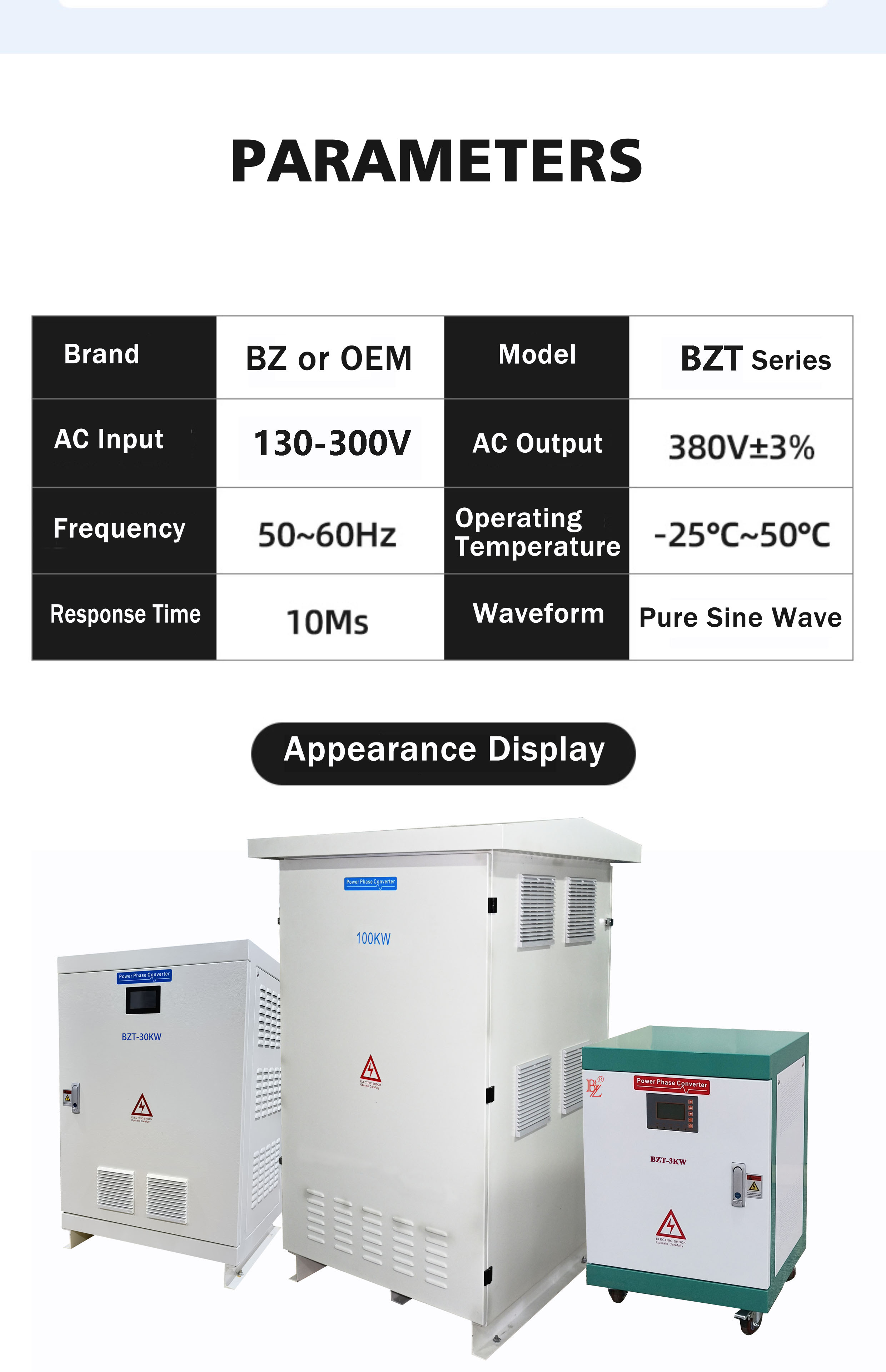
When selecting a static Digital Converter for converting single-phase to three-phase power, it is essential to consider various factors that can significantly influence performance and reliability. The current industry standards highlight that advanced digital control technology is crucial for enhancing the efficiency of power conversion processes. A converter that maintains output harmonic distortion at or below 3% ensures better compatibility with connected loads, minimizing electrical noise and increasing the operational lifespan of equipment, as supported by research from the Institute of Electrical and Electronics Engineers (IEEE).
The power range of a converter should be adaptable to meet various application demands; modern converters typically operate between 3-200kW. This flexibility allows users to cater to different machinery and equipment seamlessly. Furthermore, the importance of built-in protective features cannot be understated. Advanced converters now come equipped with integrated protections against overloads, short circuits, over-voltage, and under-voltage conditions, which are critical in preventing equipment damage and ensuring operational safety. According to industry analysis from the International Electrotechnical Commission (IEC), such protective measures can significantly reduce downtime and maintenance costs.
Ultimately, investing in a high-quality static digital converter, focused on advanced technology and robust protective features, not only enhances the efficiency of power conversion but also guarantees safety and reliability in diverse industrial environments. Adopting these innovations positions businesses competitively in an evolving market while adhering to the best practices outlined in technical reports from leading industry organizations.
: Check the website. If it’s not listed, it may be out of stock.
You will receive a confirmation email with tracking details.
Take photos of the damage. Contact customer service for assistance.
Yes, you can return items within the return window. Check the return policy.
Reach out to customer support. They will help you resolve the issue.
You can update your address in your account before shipping.
Yes, customer support is available via phone and email.
Various methods are accepted, including credit cards and digital wallets.
If the order hasn’t shipped, you may cancel it through your account.
There could be various reasons. Check your card details and balance.
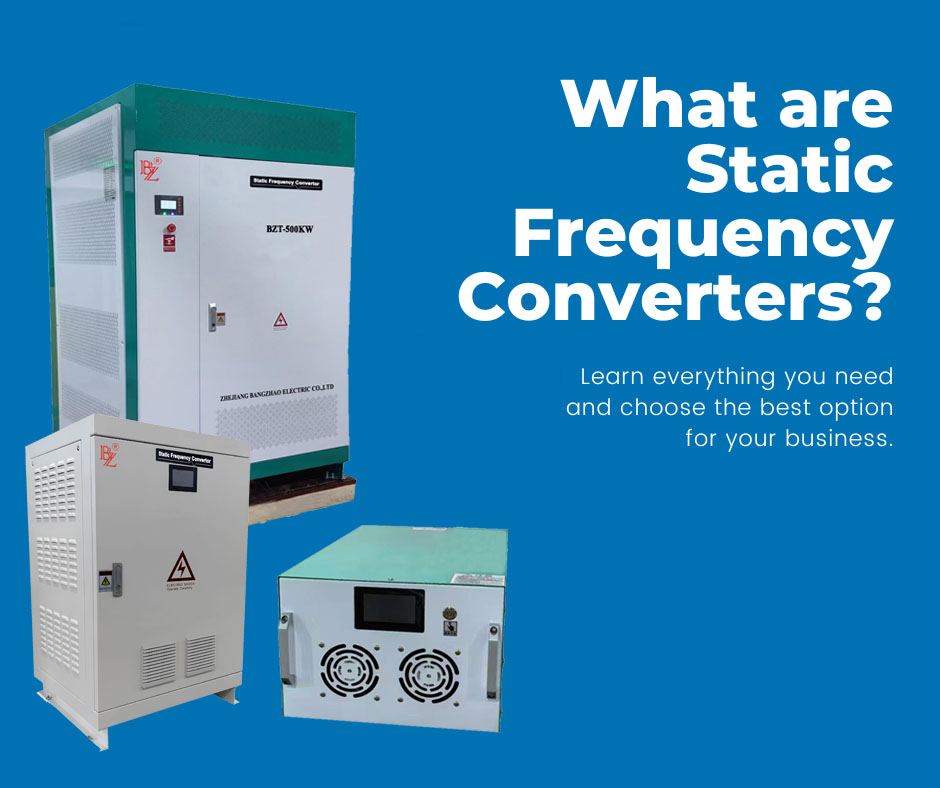
A static frequency converter (SFC) is an essential device used to convert the frequency of electrical power while maintaining the voltage levels. This article outlines the fundamental principles and functions of SFCs, detailing their types and specific applications across various industries. Key features to consider when selecting an SFC include efficiency, output quality, and installation requirements, which are crucial for optimal performance.
Evaluating your power needs is critical when sizing your static frequency converter, ensuring that it meets load demands. The article also discusses maintenance tips to enhance the lifespan of the converter and highlights cost considerations alongside the return on investment for frequency converters. By understanding these elements, users can make informed decisions on the best static frequency converter to suit their specific power requirements.